What The Devil Wears Prada 2 Gets Right About the Future of Boutique Retail
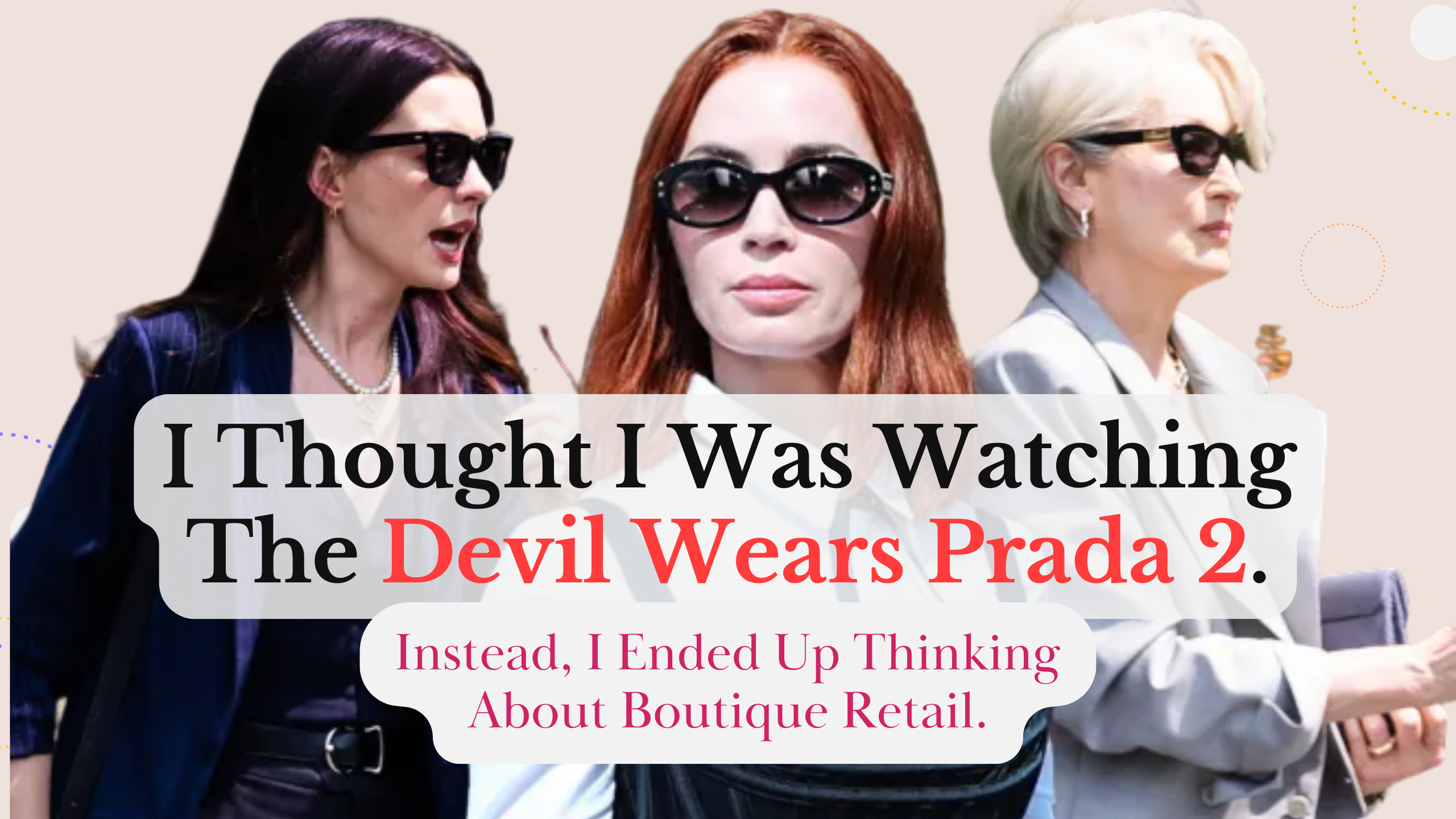
I Thought I Was Watching The Devil Wears Prada 2. Instead, I Ended Up Thinking About Boutique Retail.

A few months ago, when The Devil Wears Prada 2 was coming out, my fashionable friends and I had a whole plan.
We were going to dress up.
Go opening night.
Maybe wear fabulous shoes we'd regret two hours later.
Take pictures.
Make an event out of it.
You know...the fantasy.
Then life happened.
Kids.
Work.
Schedules.
Design deadlines.
The glamorous movie night quietly disappeared from the calendar.
So last night, months later, I finally watched it from my couch on Disney+.
And honestly?
That might have been the perfect way to watch it.
Because before the movie even started, I found myself thinking...
"Wait...how is this already on Disney?"

A few years ago we'd wait forever before a movie made it into our living rooms.
Now everything happens almost instantly.
Which, as it turns out, is exactly what the movie is about.
Change.
I've seen plenty of reviews saying they didn't love the movie because "nothing really happened."
I had the opposite reaction.
As someone who's spent nearly twenty years in the fashion industry, I thought it was one of the most accurate portrayals I've seen of how dramatically our industry has changed.


Not just for magazines.
For designers.
For brands.
For photographers.
And especially for independent retailers.
One line from Emily really stayed with me.
She talks about how retail has changed—that customers aren't consuming fashion the way they once did, traditional media has shifted, budgets are tighter, and everyone is being asked to do more with less.
That isn't just true for Vogue.
It's true for nearly every boutique owner I know.
The customer journey looks completely different than it did even five years ago.
Today's shopper often discovers a product on Instagram, saves it, watches a Reel, checks reviews, visits your website, and then maybe walks into your boutique.
Or maybe she comes into your store first because she saw photos from one of your events.
The path isn't linear anymore.
Retail has evolved.
Reading that scene brought back so many memories.
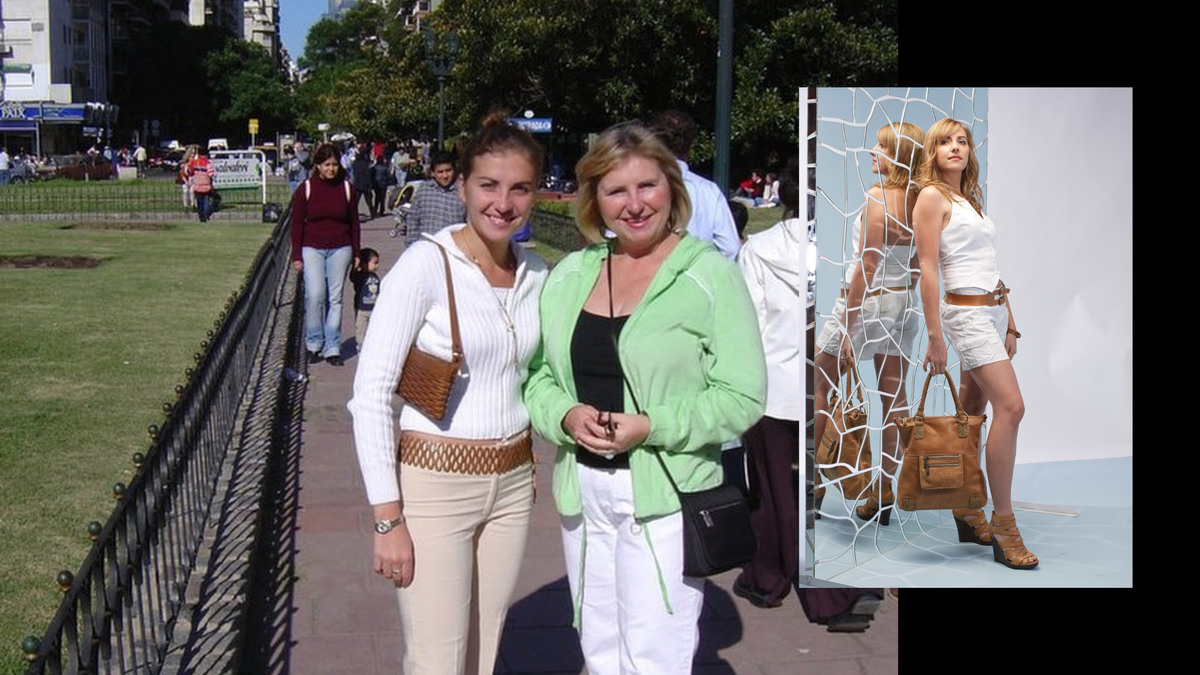
Years ago, I loved collaborating with boutiques on fashion shows and photo shoots.
We'd spend weeks planning.
The boutique owner would coordinate clothing.
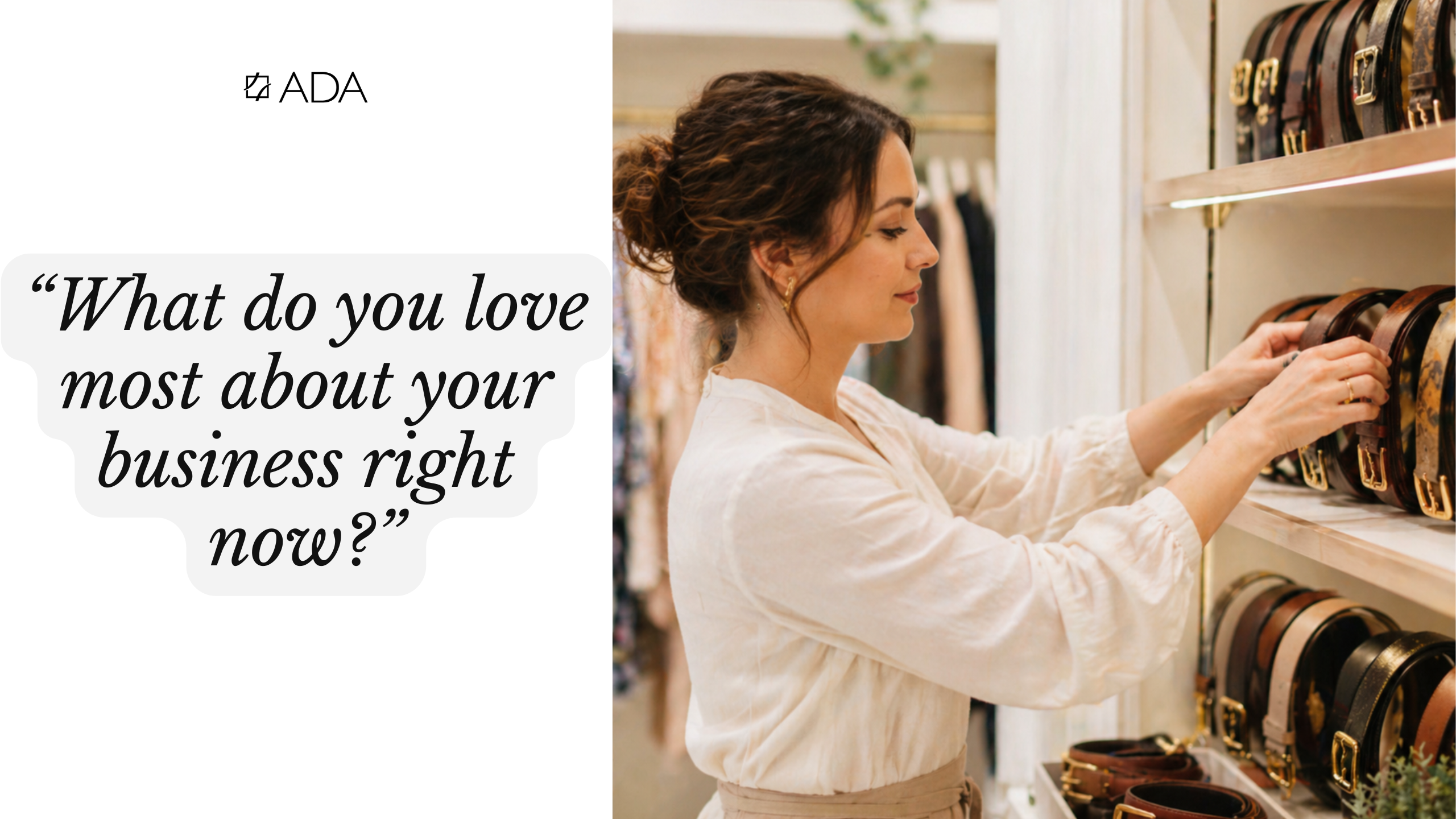
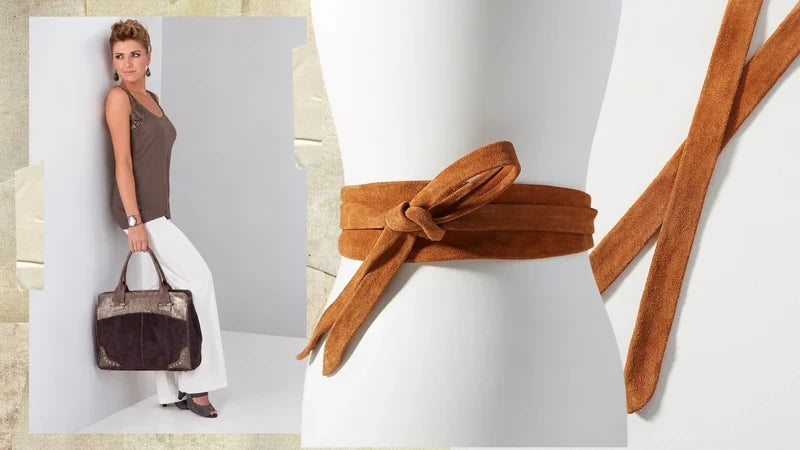
I'd arrive with racks of ADA belts.
Together we'd style every look.
We'd hire photographers.
Bring in models.
Steam clothes.
Adjust outfits.
Laugh between takes.
It was creative.
It was collaborative.
It was one of my favorite parts of the business.
It was also expensive.
Really expensive.
Looking back, those weren't just marketing shoots.
They were relationship builders.
The boutique owner and I weren't simply creating content.
We were creating an experience together.

Fast forward to today.
Many of our retailers are creating beautiful marketing campaigns in an afternoon.
They're using AI to visualize merchandising ideas.
Creating before-and-after styling posts featuring ADA belts.
Showing customers how adding one belt transforms an outfit they're already carrying in the store.
Experimenting with color combinations they may never have photographed before.
The technology is incredible.
It has opened creative doors that simply weren't available to independent retailers before.
For small businesses, that's exciting.
Because beautiful marketing no longer requires a five-figure budget.
It requires imagination.
But here's what AI hasn't replaced.
People.

One thing the movie reminded me is that while technology changes quickly, human nature doesn't.
We still crave connection.
We still want experiences.
We still want to feel something.
As convenient as Amazon is, most women don't walk into a boutique simply because they need another sweater.
They come for the transformation.
They come because someone helps them discover a silhouette they wouldn't have tried on their own.
They come because another customer says, "That looks amazing on you."
They come because the owner remembers their name.
They come because shopping feels joyful.
That experience can never be delivered in a cardboard box.
In fact, I've noticed something interesting over the past few years.
Many boutique owners aren't hosting fewer events.
They're hosting more.
Sip-and-shops.
Styling nights.
Fashion shows.
VIP customer evenings.
Holiday parties.
Designer trunk shows.
They're giving women a reason to leave the house.
A reason to dress up.
A reason to laugh together.
To try something new.
To connect.
As someone who's probably more of a semi-introvert than an extrovert, I still find those evenings incredibly energizing.
We need them.
Technology may help us market faster.
But relationships are still what build loyal customers.
That's why I don't see AI as replacing retail.
I see it as giving us more time for the parts that matter most.
More time with customers.
More time creating memorable events.
More time helping women discover confidence through personal style.
The technology may change.
The heart of boutique retail hasn't.
So here's what I'd love to know.
How are you using AI in your boutique?
Are you creating social media?
Merchandising displays?
Email campaigns?
Styling inspiration?
I'd genuinely love to hear what's working for you.
And if you're looking for new ways to elevate the clothing already hanging in your store, explore our collection of handcrafted leather belts. Our retailers are having so much fun creating before-and-after styling content with our Wrap Belts, Jean Belts, and Statement Belts—showing customers how one accessory can completely transform an outfit.
Maybe that's the biggest lesson I took away from The Devil Wears Prada 2.
Fashion has always evolved.
Retail has always adapted.
The tools will continue to change.
But helping women feel beautiful—and creating meaningful experiences around that transformation—will never go out of style.

Final Thoughts: The Future of Boutique Retail Is Still Human
If The Devil Wears Prada 2 reminded me of anything, it's that the fashion industry has always evolved—and the boutiques that thrive are the ones willing to evolve with it.
Over the past two decades, I've watched our industry move from printed lookbooks and elaborate photo shoots to social media, e-commerce, and now AI-powered marketing. Every shift has felt disruptive at first, but each one has also created new opportunities for independent retailers to connect with customers in meaningful ways.
Today, AI can help boutiques create beautiful social media posts, email campaigns, merchandising concepts, and styling inspiration in a fraction of the time. That's a tremendous advantage for small businesses with limited budgets and busy teams.
But the most successful boutiques won't be remembered for having the best AI-generated content.
They'll be remembered for creating unforgettable experiences.
For hosting styling events.
For remembering a customer's name.
For helping a woman discover the outfit that makes her feel confident.
For building a community that can't be replicated online.
Technology can help us market more efficiently, but it can't replace trust, creativity, relationships, or the joy of shopping in a beautiful boutique.
At ADA Collection, we see AI as a creative partner—not a replacement for great design or personal connection. We believe the best fashion businesses will combine innovative tools with timeless values: craftsmanship, thoughtful styling, exceptional service, and authentic relationships.
If you're a boutique owner, I'd love to hear how you're using AI in your business. Are you creating social content, planning events, merchandising your store, or helping customers visualize complete outfits? Every retailer is approaching this new era differently, and I believe we have a lot to learn from one another.
And if you're looking for accessories that help customers transform the clothing they're already buying, explore our handcrafted leather collections, including our Wrap Belts, Jean Belts, and Statement Belts. Our retail partners often tell us that a belt is more than an accessory—it's the finishing piece that helps a customer see the complete outfit.
The future of fashion won't belong to AI alone.
It will belong to the boutiques, designers, and retailers who use technology to create even more meaningful human experiences.


Leave a comment
This site is protected by hCaptcha and the hCaptcha Privacy Policy and Terms of Service apply.